
FYI: we may earn a commission for qualified purchases made through the links in our articles (learn more).
Quick Summary
- Dry skin on dogs can be a sign of various health conditions such as mange-causing parasites, such as scabies mite, demodex mites, or lice.
- Other causes of dry skin on dogs include dry air, nutritional deficiencies, overbathing, allergens, infections, and systemic disorders.
- Home treatments for dry skin on dogs include using a humidifier at home, essential fatty acid supplements for skin and coat health, oatmeal baths, and coconut oil. If it doesn’t improve, seek the help of a vet.
Dogs can have problems with dry skin just like humans can. Unsurprisingly, some of the condition’s causes are the same for both humans and dogs. Although dry skin on dogs tends to be more of discomfort to your companion than a source of danger, I highly advise you to deal with your dog’s dry skin immediately to offer you both relief from the scratching and annoyance. In the case of contagious causes such as bacterial and fungal infections as well as cases of more serious illness, you will be glad you have checked out your dog’s dry skin causes.
Below, I will go over in detail the symptoms, reasons, home remedies, and further treatments of dry skin on dogs.
Symptoms of Dry Skin in Dogs

Dry skin is no more comfortable for dogs than it is for humans. The signs of a skin issue such as dry skin include excessive biting, licking, or scratching; frequent rubbing of the dog’s body or face against carpet or furniture; scabs; scaly patches, and hot spots. Further indications that your dog’s skin needs some help are bald patches, flakes, lumps, rashes, lesions, and discoloration of the skin.
Reasons Behind Your Dog’s Dry Skin
There are a number of factors that affect a dog’s coat and skin condition. Sometimes dry skin strikes because of changes in the weather or within the indoor environment where dogs or people spend the bulk of their time. Cold winter weather, and its accompanying low air humidity, frequently cause dry skin. Your dog’s food may also lurk as a quiet culprit in the case of dry skin. Poor nutrition or food allergies can cause dry skin in dogs. So can giving your dog too many baths. Sometimes, dryness of the skin indicates more serious conditions. Parasitic infestations like mange or lice, illnesses pertaining to the endocrine system such as hypothyroidism and diabetes mellitus, skin infections, skin allergies, and, more rarely, cancer or such genetic diseases as ichthyosis may include dry skin among their symptoms and warning signs.
Dry Air
When the season turns and the winter furnace is used, the air dries out. As a result, the skin of creatures that dwell inside suffers from this dryness—you may also notice your dog suffering from itchy skin. Hydration and humidity are important in these months for this reason. Hydrated, healthy skin will not itch and flake like dry skin at this time. Your dog’s skin requires moisture for the maintenance of elasticity and resilience. Humidifiers may provide relief to you and your dog alike.
Nutritional Deficiencies
Food allergies or foods that are low in quality can manifest as alterations in your dog’s normally healthy skin and coat, so you should understand and know how to manage dog allergies. Fatty acids help to keep your dog’s skin healthy and whole. Check with your veterinarian about supplements that might keep your dog’s hide healthier. These include omega-3 and omega-6 essential fatty acids.
Over-Abundance of Baths
Bathing too frequently can strip your dog’s skin of its necessary oils, leaving it dry and fragile. Generally, dogs only require baths a few times a year, on a basis of necessity. If odor or greasiness causes you to bathe your dog more often than that, consult your veterinarian. A skin condition might be causing those issues. For dogs who already have dry skin, try bathing with an oatmeal-based shampoo. Rinse thoroughly afterward and let your dog enjoy the soothing effect of the formula.
Parasites
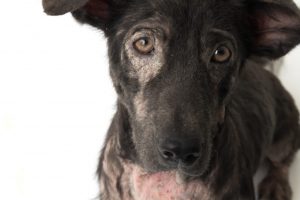
Canine parasites are capable of causing numerous severe problems for your dog’s health. Such pest-caused issues include ringworm, seborrheic dermatitis, and mange. Often contagious and extremely uncomfortable, these parasitic conditions can lead to further problems as your dog scratches, chews on, and obsessively licks itching skin.
Illnesses
More serious health conditions can be both chronic and prone to drying out your dog’s skin. Cushing’s disease and hypothyroidism are among the number of illnesses that call for veterinary attention. Underlying conditions that require treatment in addition to the dry skin that features as a symptom require a prompt appointment. Look for such other symptoms as dog hair loss, open sores, scabs, pustules, excessive dandruff, licking of the paws, lethargy, ear infections in dogs, vomiting, diarrhea, or weight gain.
Allergens
Dogs, like many humans, can be sensitive to their environments. Dryness of skin can be indicative of allergens. The signs of seasonal allergens tend to be dry and flaky skin or one with moist eczema. Irritation caused by grooming or cleaning products is often characterized by constant licking or frequent chewing on the paws.
Infections
Fungal infections like ringworm and yeast infections have a variety of signs related to skin issues. Yeast infections in particular often result in scaly skin, oily skin, or body odor. Bacteria can produce hair loss and patches of skin that are red and tender. Veterinarians generally diagnose skin infections in dogs by taking a skin scrape for cytology. Such infections may be secondary to larger problems. Dry skin should never be dismissed because of this potential.
Systemic Disorders
Occasionally, dry skin indicates a far more serious problem. Two specific metabolic diseases are especially associated with dog dry skin. These are hypothyroidism and Cushing’s disease in dogs. In each case, dry skin tends to be accompanied by hair that is dry and brittle, loss of hair, and other symptoms, such as skin infections. Cancer and auto-immune diseases also can result in dry skin on dogs.
Home Remedies for Canine Dry Skin

If the dry skin on dogs problem you have noticed in your companion does not have a serious underlying cause, there are some basic steps you can take. Use a humidifier to improve the skin of every creature in your household, human and pet alike. Start your dog on essential fatty acid supplements for skin and coat health. Try oatmeal baths; oatmeal works as colloids, soothing the skin. Rinse thoroughly and do not blow-dry. Even cool dryers can dry out a dog’s coat. Another option to treat dry skin is to try rubbing coconut oil in small amounts onto the affected areas. Do not let your dog lick too much off, however.
Treating Dry Skin in Dogs
Keep your dog with dry skin on a preventative against fleas and ticks. Dry skin on dogs can be eliminated with a high-quality diet [1] should your pet’s food prove to be low in essential nutrients or the source of allergens. Use a gentle shampoo that is hypoallergenic and condition your dog after bathing it. Brush your dog regularly to distribute natural oils and keep the hair clear of problematic tangles and matted dog hair.
Frequently Asked Questions
What can I put on my dog for dry skin?
Your dog with dry skin may find relief with the application of oatmeal paste, a bath with oatmeal shampoo, or a thick paste of baking soda. It is better to address dry skin on dogs with humidifiers and quality foods with essential oil supplements, however.
How do you moisturize a dog’s skin?
You can use a humidifier to moisten the air and thus relieve a dog from the effects of furnace-blown hot air drying out its skin. Natural moisturizers may also be used, such as coconut oil or olive oil. You may also improve your dog’s diet to help moisturize its skin.
What is causing my dog’s dry skin?
Dry skin on dogs can be the result of anything from seasonal changes to seasonal allergies, from mange to diabetes mellitus. Because the dryness of the skin can be symptomatic of serious problems, despite the fact that most cases of dry skin and itching are fairly benign, it is important to consult your veterinarian. Your vet can run tests that indicate the best means of giving your companion relief. You also stop parasitic and other contagious infections in their tracks by detecting them early on and treating them promptly.
Can I put coconut oil on my dog for dry skin?
Yes, you can use coconut oil on your dog for dry skin, but only if the skin is unbroken and only in small amounts. Olive oil is another kitchen-sourced solution for your dog’s dry skin, as are oatmeal pastes and baking soda pastes.


Leave a Reply